









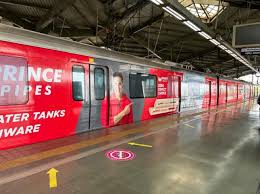
Transit advertising uses public transportation like buses and trains to display ads. This method offers broad reach and high visibility in urban areas. It’s effective for businesses targeting local consumers or those looking for consistent brand exposure. Many companies use it to boost their brand awareness and drive local sales.
What is Transit Advertising?
Transit advertising is simply putting advertisements on or inside public transport vehicles. Think of the big ads wrapped around a bus. Or the posters you see inside a subway car.
These ads can also be at bus stops or train stations. It’s a common sight in cities everywhere.
It covers many forms of advertising. This includes the full bus wraps. It also includes smaller ads inside the bus.
Train cars have similar options. Even station platforms and shelters can hold ads. It’s about using public transit spaces to show your ads.
Why Does Transit Advertising Work?
There are several good reasons why transit advertising is effective. One big reason is its reach. Buses and trains travel through many neighborhoods.
They go where people live, work, and play. This means your ad can be seen by a wide variety of people.
Another factor is frequency. People often use public transport daily. They might see your ad multiple times a week.
This repeated exposure helps your message stick in their minds. It’s like seeing a catchy song on the radio. The more you hear it, the more you remember it.
Types of Transit Ads
Full Bus/Train Wraps: These cover the entire vehicle. They make a big visual impact.
Interior Cards: These are posters inside the vehicle. Passengers see them up close.
Station/Shelter Ads: These are ads at bus stops or train stations. They catch people while they wait.
Digital Screens: Some modern transit systems have digital screens showing ads.
My First Real Encounter with Transit Ads
I remember when I first started in marketing. I was working for a small local cafe. We had a very limited budget.
My boss wanted us to get more customers. I was looking for ways to advertise without spending a fortune. I saw a bus go by, completely covered in an ad for a big electronics store.
It looked amazing.
I started researching. I found out about bus wraps. The idea of my cafe’s logo on a moving billboard was exciting.
I talked to a transit advertising company. They explained the process. It felt like a big step for us.
I was nervous about the cost. But they showed me options. I chose a partial wrap for a few buses.
It felt like a gamble. But seeing that bus with our name on it made me proud. It felt real.
People started mentioning they saw us on the bus. That was a good sign.
Who Sees Transit Ads?
Transit advertising reaches many different types of people. It’s not just one group. Because buses and trains serve many routes, they pick up all sorts of riders.
You’ll find students, commuters going to work, and shoppers. Tourists also use public transport to see a city.
Think about the daily commute. Millions of Americans use public transit. They spend time looking around.
They are often bored or looking for something new. This makes them more open to seeing ads. They might be looking for a new restaurant, a sale, or a service they need.
Who Uses Public Transit?
- Commuters: People going to and from work.
- Students: College and high school students traveling to classes.
- Shoppers: People running errands or visiting malls.
- Tourists: Visitors exploring the city.
- Local Residents: People of all ages using transit for daily life.
The Benefits of Advertising on Buses and Trains
There are many great benefits to using transit advertising. One of the biggest is its high visibility. Big, bold ads on the side of a bus are hard to miss.
They stand out in busy streets. They get noticed by drivers, pedestrians, and other passengers.
Another key benefit is cost-effectiveness. Compared to TV or large billboards, transit ads can be cheaper. Especially when you consider the number of people you reach.
You get a lot of impressions for your money. This makes it a good option for small and medium-sized businesses. It offers a strong return on investment for many.
Key Benefits Summarized
Broad Reach: Connects with diverse local audiences.
High Frequency: Repeated exposure builds recognition.
Cost-Effective: Good value for your advertising budget.
Geographic Targeting: Focus ads on specific neighborhoods or routes.
Creative Flexibility: Eye-catching designs can be used.
Understanding the Costs
The cost of transit advertising can vary a lot. It depends on several things. The type of ad is a big factor.
A full bus wrap costs more than a small interior card. The length of the campaign matters too. Longer campaigns usually have a lower price per week.
The size of the city is also important. Ads in major cities like New York or Los Angeles cost more. This is because there are more people and more demand.
The specific transit system and the routes you choose will affect the price. Companies that sell transit ads usually offer different packages. They can help you find something that fits your budget.
Factors Influencing Cost:
Ad Type: Full wrap vs. interior card.
Campaign Duration: Longer campaigns often get discounts.
Market Size: Ads in larger cities are typically more expensive.
Vehicle Type: Buses, trains, and subways can have different rates.
Coverage Area: Choosing more routes or specific high-traffic areas.
How to Create an Effective Transit Ad Campaign
Making your transit ads work means being smart about it. First, keep your message simple and clear. People have only a few seconds to see your ad.
Use big, easy-to-read text. Your main message should be understood quickly.
Strong visuals are also key. Use high-quality images or graphics. They should grab attention.
Think about what colors stand out. What images make people curious? Your ad should look good and be memorable.
Test your design. Does it look good from a distance? Is it easy to understand?
Tips for Great Transit Ads
Keep it Simple: One clear message, easy words.
Bold Visuals: Use striking colors and images.
Readability: Large font size, clear contrast.
Call to Action: Tell people what to do next (e.g., visit website, call number).
Brand Identity: Include your logo clearly.
Targeting Specific Audiences
One of the neat things about transit advertising is targeting. You can often choose which routes your ads will run on. This lets you reach specific groups of people.
For example, if you sell student supplies, you might want ads on buses going to college campuses.
If you have a restaurant in a busy downtown area, you can target those routes. This makes your advertising money work harder. You aren’t just showing ads to random people.
You are showing them to people who are more likely to be interested in what you offer. This strategic placement improves your chances of success.
Route Selection Example:
Scenario: A new coffee shop opens near a university.
Targeting: Place ads on bus routes that go directly to and from the university campus.
Goal: Reach students and faculty who are likely customers.
The Psychology of Seeing Ads on the Go
When people are on public transport, their mindset changes. They are often not actively shopping. They are traveling.
This means they are more relaxed. They have time to look around. This is when ads can catch their eye more easily.
The ads become part of their environment. They see them every day. This builds familiarity.
Familiarity can lead to trust. If you see a brand often, you might feel you know it. This is a powerful effect for building brand loyalty.
It’s a passive way to get your brand noticed and remembered.
Real-World Scenarios for Transit Ads
Transit advertising works for many types of businesses. A local restaurant can advertise its lunch specials. A retail store can promote a big sale event.
A service provider, like a plumber or an electrician, can advertise their contact information for quick service.
Entertainment venues, like movie theaters or concert halls, use transit ads. They announce new shows or ticket availability. Even non-profits use it to spread awareness about their cause.
The moving nature of buses and trains makes them dynamic. They become mobile billboards.
Businesses That Benefit:
Retail Stores: Promoting sales and new products.
Restaurants/Food Services: Showcasing menus and special offers.
Service Businesses: Local service providers like repair shops.
Entertainment: Announcing events and shows.
Healthcare: Promoting clinics or health services.
Measuring the Success of Your Ads
It can be tricky to measure the exact success of transit ads. Unlike online ads, you don’t always get direct clicks. However, there are ways to track effectiveness.
You can ask new customers how they heard about you. Include specific discount codes for transit riders.
Track increases in website traffic or phone calls during the campaign period. Look at sales figures in the areas where your ads are running. Many transit ad companies offer audience data.
This helps you understand who you’re reaching. It’s about looking at the overall impact on your business goals.
Tracking Your Campaign:
Customer Surveys: “How did you hear about us?”
Unique Discount Codes: “Show this ad for 10% off.”
Website/Phone Traffic: Monitor increases during the campaign.
Sales Data: Look for boosts in targeted areas.
Common Concerns and How to Address Them
Some businesses worry about the permanence of transit ads. Unlike a digital ad that can be changed easily, a bus wrap is printed. If your promotion changes, you might have to wait.
However, this also means your ad is constantly visible. It’s a steady presence.
Another concern can be measurability. As mentioned, direct tracking is harder. But by using clever methods, you can still gauge impact.
The key is to set clear goals before you start. What do you hope to achieve? More brand awareness?
More foot traffic? More calls?
Myth vs. Reality:
Myth: Transit ads are too expensive for small businesses.
Reality: Many options exist, from full wraps to smaller interior cards, making it accessible.
Myth: You can’t track the results of transit ads.
Reality: With specific strategies like unique codes or surveys, you can measure effectiveness.
What This Means For Your Business
If you’re looking to increase local brand awareness, transit advertising is worth considering. It offers a way to reach a large audience consistently. For businesses with a physical location or service area, it’s especially powerful.
Think about your target customers. Do they use public transport? If so, this could be a great fit.
It’s a visual medium that can create strong brand recall. It’s a way to become a familiar part of people’s daily lives.
Quick Tips for Getting Started
If you’re interested, start by researching transit advertising companies in your area. Ask for their media kits and rate cards. Get quotes for different types of ads.
Look at examples of successful campaigns.
Talk to the sales representatives. Explain your business and your goals. They can help you choose the best options.
Don’t be afraid to ask questions. Understanding the process helps you make a good decision. Start small if you’re unsure.
You can always expand later.
Frequently Asked Questions about Transit Advertising
What is the difference between bus ads and train ads?
Bus ads are on buses, which usually travel on streets and serve local routes. Train ads are on trains, including subways, light rail, and commuter trains, which often cover longer distances or specific urban corridors. Both offer high visibility but may reach slightly different demographics depending on the route.
Can I advertise on a specific bus route?
Yes, most transit advertising providers allow you to select specific routes. This is a great way to target certain neighborhoods or reach particular groups of people, like students or commuters in a business district.
How long do transit ad campaigns typically run?
Campaigns can vary. Common lengths are 4 weeks, 8 weeks, or 12 weeks. Longer campaigns often come with discounts.
The duration depends on your marketing goals and budget.
Are transit ads seen by people who don’t ride public transport?
Yes, absolutely. Ads on the outside of buses and trains are highly visible to drivers, passengers in other vehicles, and pedestrians. They become part of the urban landscape and are seen by everyone on the street.
What kind of businesses benefit most from transit ads?
Local businesses often benefit the most. This includes restaurants, retail stores, service providers (like plumbers or dentists), entertainment venues, and event organizers. Any business looking to increase local awareness or drive foot traffic can find success.
Can I use video or animation in my transit ads?
Outside ads on buses and trains are static images. However, some modern transit systems are now using digital screens inside vehicles or at stations, which can display video or animated content. For traditional ads, focus on strong static visuals.
Final Thoughts on Transit Advertising
Transit advertising is a powerful tool for businesses. It offers broad reach and consistent exposure. It can be cost-effective and highly targeted.
By creating clear, eye-catching ads, you can connect with your local community. Consider this option for your next marketing push.
