






Finding brochure and flyer design services near you involves looking for creative professionals who can translate your business message into visually appealing print materials. These services help businesses communicate effectively with their target audience through well-designed, informative, and engaging marketing pieces.
Understanding Brochure and Flyer Design Services
Brochure and flyer design services are all about making your business look its best. Think of them as visual storytellers for your company. They take your ideas, your mission, and what you offer, and turn it into something people can see and understand quickly.
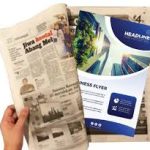
A flyer is usually a single sheet of paper. It’s great for quick announcements or promotions. It needs to catch the eye fast.
A brochure is often folded, giving more space for details. It can tell a longer story about your company or a specific product line. Both need to be designed well to work.
Good design isn’t just about looking pretty. It’s about communication. It needs to be clear.
It needs to be easy to read. It needs to make someone want to take action, like visiting your store or website. Designers who offer these services understand how to do this.
They know about colors that attract attention. They know about fonts that are easy to read. They know how to arrange pictures and words so they make sense together.
This skill set is crucial for making marketing materials that actually work.
Why You Might Need Professional Design Help
Many people think they can just use a template online and be done. Sometimes, that works for very simple needs. But if you want your business to stand out, you need more.
You want something unique. You want something that truly represents your brand.
I remember a friend who started a bakery. She made the most delicious cakes. She tried to design her own flyers.
They were okay, but they looked a bit cluttered. The text was hard to read. The pictures didn’t pop.
She wasn’t getting as many custom cake orders as she hoped.
She finally decided to hire a local designer. The designer looked at her cakes. She talked to my friend about her style and her dream customers.
Then, she created flyers that showed off the beautiful cakes perfectly. The colors were warm and inviting. The words were clear and told a story about custom creations.
Soon after, her custom cake orders started going up. It made a big difference.
This experience showed me the power of good design. Professional designers have the tools and the talent to make your marketing materials shine. They can help you avoid common mistakes that make your flyers and brochures look unprofessional.
This can impact how customers see your business.
It’s not just about aesthetics. It’s about strategy. A good designer will ask questions.
They will want to know who you are trying to reach. What do you want them to do after seeing your flyer or brochure? Answering these questions helps them create a design that’s effective.
They also understand the printing process. They know what file formats are needed. They know about bleed and margins.
This can save you a lot of headaches when it comes time to print your materials. A poorly designed file can lead to costly printing errors.
What Designers Bring to the Table
Clarity: Making your message easy to understand at a glance.
Visual Appeal: Creating designs that are pleasing to the eye.
Brand Consistency: Ensuring your materials match your overall business look.
Target Audience Focus: Designing for the people you want to attract.
Call to Action: Guiding readers on what to do next.
Finding Local Brochure and Flyer Design Services
When you’re looking for design services, starting local can be a great idea. You can often meet with designers in person. This helps build a better connection.
You can talk through your ideas face-to-face. It also means you’re supporting businesses in your own community.
How do you find them? A good starting point is online search engines. Type in phrases like “brochure design services near me” or “flyer printing and design “.
Look at the results. See which businesses have websites that look professional. Check for reviews.
Word-of-mouth is also incredibly powerful. Ask other business owners you know and trust. Have they used any design services?
Who did they like working with? A personal recommendation can lead you to a hidden gem.
Local business directories or chambers of commerce can also be helpful. These organizations often list businesses in their area. You might find graphic designers or marketing agencies that offer these services.
Sometimes, small print shops also have designers on staff or work with freelancers.
When you find a few potential services, take some time to check out their portfolios. This is key. A designer’s portfolio shows examples of their past work.
Does their style match what you envision for your business? Do you like the look and feel of their previous projects?
Don’t be afraid to reach out for an initial consultation. Many designers offer a free chat. This is your chance to explain your project.
You can ask them about their process. You can get a feel for their personality and how well you communicate. This early conversation is very important.
Steps to Finding a Local Designer
- Online Search: Use specific keywords like “graphic designer “.
- Ask for Referrals: Talk to other business owners.
- Check Directories: Look at local business listings.
- Review Portfolios: See examples of their best work.
- Schedule Consultations: Talk to them about your project needs.
What to Expect from Design Services
Once you’ve chosen a designer or agency, what’s the process like? It usually involves several steps. Understanding these steps can make the whole experience smoother.
First, there’s the discovery phase. This is where you and the designer talk about your business. You’ll discuss your goals for the flyer or brochure.
You’ll share your brand guidelines, like colors and fonts, if you have them. The designer will ask lots of questions to really understand what you need.
Next comes the design work. The designer will start creating concepts. They might present you with a few different design directions.
You’ll review these and give feedback. This is where your input is crucial. You want to guide the designer to get closer to your vision.
There’s usually a revision process. Most designers allow for a certain number of revisions. This means you can ask for changes.
Maybe you want a different image. Maybe you need to tweak some wording. It’s important to be clear and specific with your feedback.
I worked with a graphic designer for a new set of business cards. I loved the first draft, but I felt one image wasn’t quite right. I told the designer exactly what I was looking for – something a bit more dynamic.
She understood immediately and found a better option. It was that clear communication that made the final product perfect.
After the design is approved, the designer will prepare the final files. They will give you the files in a format that’s ready for printing. This is often a high-resolution PDF.
They should also provide guidance on printing if you need it.
Costs can vary. Some designers charge an hourly rate. Others might offer a project-based fee.
It’s important to get a clear quote upfront. Ask what’s included in the price. Are revisions included?
What about the final file delivery?
The Design Workflow
1. Briefing: You share your vision and goals.
2. Concept Development: Designer creates initial ideas.
3. Presentation & Feedback: You review and give input.
4. Revisions: Designer makes requested changes.
5. Finalization: Approved design is prepared for print.
Key Elements of Effective Flyer and Brochure Design
What makes a flyer or brochure really work? It’s a combination of things. Designers are experts at balancing these elements.
Headline: This is the first thing people see. It needs to be bold and clear. It should grab attention and tell people what the flyer or brochure is about.
Visuals: High-quality images or graphics are essential. They break up text and make the design more interesting. Pictures should be relevant to your message.
They should be sharp and clear, not blurry.
Body Copy: This is the main information. It needs to be easy to read. Short sentences and paragraphs help.
Use bullet points to highlight key features or benefits. Avoid long blocks of text.
Call to Action (CTA): What do you want people to do? Visit a website? Call a phone number?
Come to an event? Your CTA should be clear and stand out. Make it easy for people to take the next step.
Contact Information: Make sure your name, address, phone number, and website are easy to find. Double-check that this information is correct.
Color Palette: Colors evoke emotions. A good designer will choose colors that align with your brand and message. Bright colors can attract attention, while softer colors might feel more calming or professional.
Typography: The choice of fonts matters. Some fonts are more readable than others. A designer will select fonts that match your brand’s personality and are easy on the eyes, especially for smaller text.
Layout and White Space: How elements are arranged on the page is critical. Good use of white space (empty areas) makes the design feel less cluttered. It helps guide the reader’s eye through the information.
I once received a flyer that was just a mess. It had too much text. The font was tiny.
There were pictures everywhere, but none of them were good quality. I couldn’t figure out what they were trying to tell me. I just threw it away.
That’s what happens with poor design.
The opposite is true too. I’ve seen flyers for local events that were so well-designed, I immediately wanted to go. The colors were vibrant.
The main event name was huge and exciting. It had just enough information to make me curious. That’s the power of good design in action.
Essential Design Components
Strong Headline: Grabs immediate attention.
Compelling Images: Add visual interest and context.
Concise Copy: Easy-to-read information.
Clear Call to Action: Guides reader behavior.
Accurate Contact Details: Essential for follow-up.
Appropriate Color Scheme: Sets the mood and brand tone.
Readable Fonts: Ensures text accessibility.
Balanced Layout: Uses white space effectively.
Choosing the Right Type of Design Service
Not all design services are the same. Some focus on small businesses, while others work with larger corporations. Knowing the difference can help you pick the right fit.
Freelance Graphic Designers: These individuals work independently. They often have a specific style. They can be very flexible and cost-effective, especially for smaller projects like a single flyer or a simple brochure.
You might find them through online platforms or local networking.
Design Agencies: These are typically larger teams. They offer a wider range of services, often including branding, web design, and marketing strategy, in addition to print design. They can handle bigger projects and complex campaigns.
They might be more expensive but offer a comprehensive solution.
Print Shops with Design Services: Many local print shops offer design as an add-on service. This can be convenient because you can handle design and printing all in one place. However, the design quality can vary.
It’s always good to see examples of their design work before committing.
Online Design Platforms: Websites like Canva or Adobe Express offer tools for DIY design. While they are accessible and affordable, they might not offer the unique creativity and strategic insight of a professional designer. They are best for very simple, straightforward designs or if you have a strong design sense yourself.
For most small to medium-sized businesses looking for a brochure or flyer, a skilled freelance designer or a design agency that specializes in small business marketing can be ideal. They can offer both creative talent and strategic advice tailored to your needs.
When I was starting my online store, I used a freelance designer I found on a local business group. She understood my budget. She helped me create a flyer for a local craft fair that was professional and affordable.
It felt like a good balance of quality and cost.
Consider your budget, the complexity of your project, and the level of service you need. If you just need a simple flyer, a freelancer might be perfect. If you’re launching a whole new product line and need a detailed brochure that aligns with a larger marketing plan, an agency might be a better choice.
Choosing Your Design Partner
Freelancer: Good for specific projects, flexible pricing.
Agency: For comprehensive branding and larger campaigns, higher cost.
Print Shop: Convenient for design and print, but design quality may vary.
DIY Platforms: Affordable for simple needs, requires design skill.
Cost of Brochure and Flyer Design Services
Understanding the cost is important for budgeting. The price of brochure and flyer design services can vary quite a bit. It depends on several factors.
Designer’s Experience and Reputation: A highly sought-after designer with years of experience will likely charge more than someone just starting out. Their proven track record and expertise come at a premium.
Project Complexity: A simple, one-page flyer with basic text and a few images will cost less than a multi-page, intricately designed brochure with custom illustrations and complex layouts.
Number of Revisions: Most designers include a set number of revisions. If you need many changes, it could increase the overall cost. Be clear about your feedback to minimize extra rounds of edits.
Turnaround Time: If you need the design done very quickly, you might have to pay an rush fee. Standard turnaround times are usually more affordable.
Location: Prices can also differ based on where the designer is located. Designers in major metropolitan areas might charge more than those in smaller towns.
As a general idea:
Typical Cost Ranges (Estimates)
| Service Type | Estimated Cost |
| Simple Flyer Design (Freelancer) | $100 – $300 |
| Basic Brochure Design (Freelancer) | $250 – $600 |
| Complex Brochure/Flyer (Agency/Senior Designer) | $500 – $2000+ |
It’s crucial to get a detailed quote. Ask for a breakdown of what’s included. This way, you know exactly what you’re paying for.
Some designers might also offer package deals if you need multiple pieces designed.
Don’t always go for the cheapest option. While budget is important, investing in quality design can pay off in the long run. A well-designed flyer can bring in more customers than a poorly designed one, even if the latter was cheaper to produce.
Think about the return on investment (ROI). If a well-designed brochure helps you land a few big clients, the cost of the design service will quickly be recouped. It’s an investment in your business’s success.
Questions to Ask a Potential Designer
Before you hire someone, have a conversation. Here are some smart questions to ask. They will help you make sure they’re the right fit for you and your project.
- Can I see examples of your past work, especially similar projects like brochures or flyers? (This helps you assess their style and quality.)
- What is your design process from start to finish? (Understand the steps involved.)
- How many revisions are included in your pricing? What is the cost for additional revisions? (Clarify the scope of changes.)
- What is your typical turnaround time for a project like this? (Ensure it fits your timeline.)
- What file formats will I receive at the end of the project? (Make sure they are print-ready.)
- Do you have experience working with clients in my industry? (Industry knowledge can be a plus.)
- What is your pricing structure? Is it hourly or a project fee? (Understand the payment terms.)
- What information do you need from me to start the design? (Be prepared with your brand assets and goals.)
- Can you provide references from past clients? (Verify their reliability.)
Asking these questions upfront can prevent misunderstandings later. It shows you’re serious about your project and want to work with a professional. It helps build trust from the beginning.
I once skipped asking about revisions. I thought the first draft would be perfect. It wasn’t.
I ended up paying extra for changes. Learning from that, I now always clarify the revision policy. It saves time and money.
Key Questions for Designers
Portfolio: Show relevant past work.
Process: Explain your workflow.
Revisions: How many are included? Cost for more?
Timeline: What’s the expected completion date?
Deliverables: What file types will I get?
Industry Experience: Have you worked in my field?
Pricing: Hourly or project-based? What’s included?
Required Info: What do you need from me?
References: Can I speak to previous clients?
When to Use a Flyer vs. a Brochure
Choosing between a flyer and a brochure depends on your message and your goal. Both are powerful, but they serve slightly different purposes.
Flyers are best for:
- Announcements: Announcing a sale, event, or new product.
- Promotions: Offering a limited-time discount or deal.
- Quick Information: Sharing essential details for a specific event.
- Broad Reach: Distributing widely in a specific area.
Flyers need to be concise and have a strong, immediate impact. They are often a one-time piece of communication.
Brochures are best for:
- Detailed Information: Explaining a service, product line, or company history.
- Building Brand Identity: Telling a deeper story about your business values and mission.
- Lead Generation: Providing in-depth information to potential clients who are seriously considering your offering.
- Sales Support: Giving salespeople a tool to present comprehensive information.
Brochures, with their multiple panels, allow for more storytelling and a deeper dive into your offerings. They are often kept longer than a flyer.
For example, a local restaurant might use a flyer to advertise a special dinner deal for the weekend. But they would use a brochure to detail their full catering services for parties and events.
A software company might use a flyer to announce a new app update. But they would use a brochure to explain the features, benefits, and pricing plans for their entire software suite.
The choice also depends on where you’ll be distributing them. Flyers can be handed out at events or posted on community boards. Brochures might be placed in waiting rooms, handed out at trade shows, or mailed directly to potential clients.
A good designer can help you decide which format is best for your specific needs. They can also advise on the best size and folding style for brochures.
The Importance of High-Quality Printing
Even the most beautiful design can be ruined by poor printing. It’s essential to pair your professional design with quality printing services. This is where a local print shop can be incredibly helpful, or your designer can recommend a printer.
Paper Quality: The type of paper used makes a big difference. Heavier paper stock feels more substantial and professional. Glossy paper can make images pop, while matte paper can offer a more sophisticated look and reduce glare.
Color Accuracy: Good printers ensure that the colors in your design are reproduced accurately. Mismatched colors can make your brand look inconsistent and unprofessional.
Sharpness and Clarity: High-resolution files and good printing equipment result in crisp text and clear images. Blurry or pixelated prints are a major turn-off.
Professional Finish: Features like special folds, UV coating, or embossing can add an extra touch of quality and make your printed materials stand out. A good designer will know how to set up files for these finishes.
I’ve seen this happen in reverse too. A friend got a fantastic design for his business cards. But he chose the cheapest printer he could find.
The colors were dull. The paper felt flimsy. It really detracted from the professional design.
He learned that day that printing is just as important as design.
When you choose a designer, ask if they have preferred printers or if they can guide you on printing options. Many designers have relationships with reliable print shops. They can ensure your files are prepared correctly for the printing process, saving you potential headaches.
Printing Considerations
Paper Weight: Heavier paper feels more premium.
Paper Finish: Glossy for vibrancy, matte for subtlety.
Color Match: Accurate color reproduction is vital.
Print Clarity: Sharp text and images are a must.
Finishing Touches: Folds, coatings, and special effects.
When to Consider DIY vs. Professional Design
The decision between doing it yourself and hiring a professional is a common one. It often comes down to your specific situation.
Do it yourself (DIY) if:
- Your budget is extremely tight.
- Your design needs are very simple.
- You have a good eye for design and understand basic principles.
- You only need a one-off flyer for a small, informal event.
- You have plenty of time to experiment and learn design software.
Tools like Canva, VistaCreate, or Adobe Express can be great for DIY projects. They offer templates and user-friendly interfaces.
Hire a professional if:
- Your business image is very important.
- You need something unique that stands out from competitors.
- You want to convey a specific brand message or feeling.
- Your budget allows for it, and you see it as an investment.
- You have a complex message or a multi-page brochure.
- You want to ensure the final product is print-ready and professionally produced.
It’s easy to spend hours trying to create something yourself that doesn’t quite hit the mark. A professional designer can often produce a superior result in a fraction of the time. They bring experience and a fresh perspective.
For most businesses looking to make a strong impression, investing in professional design for flyers and brochures is usually the way to go. It shows you’re serious about your business and its presentation.
Common Mistakes to Avoid
When you’re working on flyers and brochures, or even when hiring someone, there are common pitfalls. Being aware of them can help you get a better result.
Common Design Pitfalls
Too Much Text: Overwhelming readers with too many words.
Poor Image Quality: Using low-resolution or pixelated pictures.
Cluttered Layout: Too many elements without enough white space.
Hard-to-Read Fonts: Using fancy or small fonts for important information.
Weak Call to Action: Not telling people what to do next, or making it hard to find.
Inconsistent Branding: Colors, fonts, or logos don’t match your business.
Typos and Errors: Grammatical mistakes or incorrect information.
Ignoring the Target Audience: Designing for yourself, not your ideal customer.
These are all things that a good designer will help you avoid. They know how to structure information so it’s digestible. They understand how to select images that enhance the message.
They make sure your branding is consistent.
Proofreading is also critical. Always double-check all text before printing. A single typo can undermine the professionalism of your entire piece.
If you’re working with a designer, they will often handle proofreading, but it’s good practice to give it a final read yourself too.
When I was a kid, my dad used to make flyers for his garage sales. He’d write everything out in big, messy handwriting. Some words were spelled wrong.
He’d tack on random pictures he’d cut from magazines. It was functional, but it didn’t exactly make people think, “Wow, this is going to be an organized and professional sale!” It’s a funny memory, but it highlights how presentation matters.
Your flyer or brochure is often the first impression someone has of your business. Make it a good one. Investing in professional design services is an investment in how your business is perceived.
Can I find brochure and flyer design services on platforms like Upwork or Fiverr?
Yes, platforms like Upwork, Fiverr, and Freelancer.com host a vast number of graphic designers offering brochure and flyer design services. You can browse profiles, view portfolios, read client reviews, and post job requests to find designers within your budget and specific needs. Be sure to thoroughly review their past work and communicate your project requirements clearly.
What is the average cost for a professional brochure design?
The average cost for a professional brochure design can range widely, typically from $250 to $1,000 or more. This cost depends on factors such as the designer’s experience, the complexity of the brochure (number of pages, design elements), the number of revisions included, and the urgency of the project. Simple, one-page flyers are generally less expensive.
How long does it typically take to design a flyer or brochure?
The turnaround time for flyer and brochure design can vary. A simple flyer might take 1-3 business days, while a more complex brochure could take 1-2 weeks. This timeline includes the initial design concepts, client feedback, and any necessary revisions. Rush services are often available for an additional fee.
What information should I provide to a brochure or flyer designer?
To get the best results, provide your designer with clear information about your business, your target audience, the purpose of the flyer/brochure, any specific messages or offers you want to include, your brand guidelines (logo, colors, fonts), and any images or content you want to feature. Providing a brief summary of your desired outcome is also very helpful.
What’s the difference between a flyer and a brochure?
A flyer is typically a single sheet of paper designed for quick announcements, promotions, or event information, meant for wide distribution. A brochure is usually a multi-page, folded document that provides more detailed information about products, services, or a company, often used for in-depth communication and lead nurturing.
Should I choose a local designer or an online one?
Choosing a local designer can offer the benefit of in-person meetings and a better understanding of your local market. An online designer might offer more competitive pricing and access to a wider pool of talent. Both can produce excellent results, but consider your communication style and project needs when deciding.
Conclusion
Finding the right brochure and flyer design services is a key step in making your business shine. It’s about finding a creative partner who understands your vision. They can help you communicate your message clearly and effectively.
Don’t underestimate the power of good design. It’s an investment that can truly make a difference for your business.
