







Custom business signage and banners are essential tools for making your brand visible, attracting customers, and reinforcing your identity. They act as silent salespeople, guiding potential clients to your location and communicating your offerings effectively. Choosing the right materials, design, and placement ensures they work hard for your business.
Understanding Business Signage and Banners
What exactly are business signs and banners? Simply put, they are visual displays. They aim to communicate a message to the public.
For a business, this message is usually about its presence, products, or services. Think about a shop window. A sign there tells you what’s inside.
A banner outside might announce a sale. Even a small sign on an office door says, “This is where they are.”
These aren’t just plain old signs. We’re talking about custom ones. This means they are made just for your business.
They reflect your unique style. They use your specific colors. They feature your logo.
This makes them stand out. Generic signs don’t do much for your brand. Custom signs make your business look professional.
They make it memorable.
Why are they so important? Well, people are busy. They drive past.
They walk by. They might not even be looking for your business. A good sign catches their eye.
It sparks their interest. It can be the reason they decide to stop. It tells them where to go.
It tells them what to expect. In crowded markets, good signage gives you an edge.
Banners are a bit different from permanent signs. They are often larger. They are usually made for temporary use.
Think of events. Think of special promotions. Think of grand openings.
Banners are great for these moments. They are visible from far away. They announce big news.
They can be hung across buildings. They can be tied to fences. They get a lot of attention.
The goal of custom business signage is to be seen. It’s to be understood. It’s to make a good impression.
When a sign looks good, your business looks good. When a sign is clear, people know what to do. This helps bring more people to your business.
More people often means more sales. It’s a direct link to your bottom line. Investing in good signage is investing in your business’s success.
The Power of Visual First Impressions
Your business’s sign is often the very first contact a potential customer has with your brand. Imagine you’re exploring a new town. You need a coffee.
You see a few shops. One has a faded, unreadable sign. Another has a sign that’s too small to see from the street.
Then you see a third place. It has a bright, clear, well-designed sign. It says “The Daily Grind Coffee Co.” You can see a cozy picture of a coffee cup.
Your decision is easy. You head to the third shop.
This is the power of visual first impressions. Our eyes are drawn to clear, attractive visuals. A well-designed sign acts like a beacon.
It guides people towards you. It sets a tone for your business. A fancy, elegant sign might suggest a high-end boutique.
A fun, colorful sign might signal a family-friendly restaurant. The sign speaks before anyone says a word.
In today’s fast-paced world, people make quick judgments. They don’t have much time. They assess things in seconds.
Your sign has mere moments to make its case. It needs to be impactful. It needs to be informative.
It needs to be appealing. If your sign is messy, old, or hard to read, people might assume your business is also messy or not well-run. It’s an unfair judgment, but it happens.
Customization is key here. Generic signs don’t tell your story. They don’t show your personality.
Your business is unique. Your signage should be too. Custom signs let you control the message.
You can choose the font. You can pick the colors. You can add your logo.
This makes your business instantly recognizable. It helps build brand awareness.
Think about well-known brands. You can often recognize their logos or signs from a distance, even without the name. That’s powerful branding at work.
Custom signage is your first step in building that recognition. It’s not just about decoration; it’s about strategy. It’s about making sure your business makes the best possible first impression, every single time.
Types of Custom Business Signage
When we talk about custom business signage, there are many types. Each serves a different purpose. Each works best in certain places.
Understanding these options helps you choose wisely. It ensures your message reaches the right people.
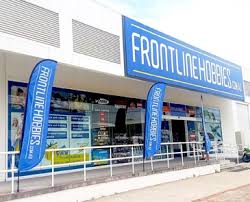
One common type is building signage. This is what people see when they approach your business. It can be mounted on the front of your building.
It can be above your door. It can be on the side of the building. Materials vary widely.
You might see classic carved wood signs. You might see sleek metal letters. You might see illuminated signs that light up at night.
These signs need to be durable. They must withstand weather. They must be readable from the street.
Dimensional letters are a popular choice for building signage. These are individual letters or shapes that stand out from the surface. They create a professional, high-quality look.
They can be made from acrylic, metal, or foam. They add depth and visual interest. They can be internally lit or externally lit for night visibility.
Channel letters are another type of illuminated sign. Each letter is a separate, three-dimensional unit. They have a hollow interior where lights (usually LEDs) are installed.
These glow brightly and are very effective for visibility, especially in low light conditions. They offer a premium look and feel.
Monument signs are freestanding signs. They are usually placed at the entrance to a property or business park. They are often made from stone, brick, or metal.
They are designed to be grand and welcoming. They can list multiple businesses in a complex. They are a great way to guide visitors to the correct location.
Window graphics are another form of signage. These are applied directly to your store windows. They can be simple logos.
They can be detailed graphics. They can provide information about your business. They can announce sales or special events.
They are a cost-effective way to use valuable advertising space.
Digital signs are becoming more common. These are electronic displays. They can show moving images or changing text.
They are highly adaptable. You can update the message instantly. This is great for announcing daily specials or urgent information.
They require more power and maintenance but offer dynamic advertising.
Then there are banners. As mentioned, these are usually for temporary use. They are made from durable vinyl or fabric.
They are often large. They are great for events, festivals, grand openings, or sales. They are portable and can be placed in high-traffic areas.
They are relatively inexpensive. They can be easily updated for different promotions.
Yard signs are smaller, portable signs. They are often used for directional purposes. Think of guiding people to an event.
They can also be used for real estate. They might advertise a business at a community event. They are simple but effective for directing traffic or announcing a presence.
The choice depends on your business type, location, budget, and goals. Do you need something permanent and imposing? Or something temporary and attention-grabbing?
Each type plays a role in your overall marketing strategy.
Signage Material Matters
Vinyl: Very common for banners and decals. It’s durable, weather-resistant, and cost-effective. Great for indoor and outdoor use.
Aluminum: Strong and weather-resistant. Often used for permanent signs like building or directional signs. It doesn’t rust.
Acrylic: Offers a clean, modern look. Can be clear, colored, or frosted. Often used for dimensional letters and indoor signage.
Wood: Provides a classic, rustic, or high-end feel. Needs sealing to protect from the elements. Great for businesses wanting a natural aesthetic.
Coroplast: A corrugated plastic. Lightweight and very affordable. Best for temporary signs like yard signs or event directional signs.
Designing for Impact and Clarity
Creating a custom sign is more than just slapping your logo on a board. Effective design is crucial. It needs to grab attention.
It needs to be easy to understand. It needs to represent your brand well. Designers follow certain principles to make signs work hard.
First, simplicity is often best. Too much information can overwhelm people. They won’t read it.
They will just look away. Focus on your business name. Highlight your main service or product.
Add a phone number or website if space allows. Keep it clean and uncluttered.
Legibility is paramount. This means people must be able to read your sign easily. This involves font choice.
Some fonts are fancy and hard to read from a distance. Others are clean and clear. Sans-serif fonts (like Arial or Helvetica) are often good for signs.
They are easy to read. The size of the text also matters. It must be large enough to see from the intended viewing distance.
Color plays a huge role. Colors evoke emotions. They attract attention.
Contrast is important. You want your text to stand out against the background. Blue and white is a classic.
Black and yellow is very high contrast. Red can grab attention but should be used carefully. Consider your brand colors.
Your sign should be consistent with your overall brand identity.
Your logo is a powerful visual. It should be clear and visible. It helps with brand recognition.
If your logo is complex, make sure it’s still legible when scaled down for a sign. Sometimes, a simplified version is better for signage.
Placement is also part of design. Where will the sign be seen? From a busy street?
From a sidewalk? From across a parking lot? The viewing angle and distance will affect how large the sign needs to be and how detailed the design can be.
Think about the illumination. If your business is open at night, you need a sign that can be seen in the dark. This might mean lighted cabinets, channel letters, or even spotlighting.
Proper lighting ensures your message is always visible.
Brand consistency is vital. Your sign is part of your brand. It should match your website, your business cards, and your marketing materials.
This creates a cohesive brand experience for your customers. It builds trust and recognition.
A good design is a balance. It’s about being attractive. It’s about being informative.
It’s about being functional. It makes people want to learn more about your business. It makes them feel confident about approaching you.
Quick Design Checklist
- Keep it simple: Less is more.
- Make it readable: Use clear fonts and good contrast.
- Brand colors: Use your established palette.
- Prominent logo: Ensure it’s visible and clear.
- Consider placement: Design for the viewing distance.
- Think about light: Plan for day and night visibility.
Banners: Your Go-To for Promotions
Banners are like the workhorses of temporary business advertising. They are versatile. They are eye-catching.
They are perfect for announcing something specific. They are not usually a permanent fixture. Instead, they are deployed for a purpose.
Then, they are taken down.
What makes banners so useful? Firstly, their size and visibility. Banners are often large.
They can be hung across buildings. They can span a street. They can be placed at events.
This means they can be seen from far away. They grab attention in busy areas. They announce sales, new products, or special events loudly and clearly.
Secondly, their flexibility. You can get banners made for almost any occasion. Launching a new product?
Get a banner. Hosting a holiday sale? Get a banner.
Sponsoring a local sports team? Get a banner. Opening a new location?
Definitely get a banner.
Thirdly, their affordability. Compared to permanent signage, banners are very cost-effective. You can get a custom-designed, durable vinyl banner for a reasonable price.
This makes them ideal for businesses with smaller budgets or for short-term needs.
Common materials for banners include vinyl. This is very popular because it’s strong. It can handle wind and rain.
It’s also easy to print vibrant graphics on. Fabric banners are also an option. They can look a bit more elegant.
They are often used indoors or for special events.
When designing a banner, the same principles apply as for other signage. Clarity is key. What is the most important message?
Is it the sale percentage? Is it the event date? Make that message the biggest and boldest.
Use strong colors that stand out.
Think about how the banner will be hung. Will it have grommets (metal rings)? Will it be pole-mounted?
Your sign maker can advise on the best finishing options for your needs. This ensures your banner stays put and looks professional.
I remember a local bakery that was doing a special Christmas cookie sale. They ordered a large, colorful banner that they hung across the front of their shop. It had big, festive letters and a picture of a gingerbread man.
People coming and going could see it from down the block. They told me sales for that specific cookie line were up 30% that month. It was clear the banner made a big difference.
It got people excited and reminded them to stop by.
Banner Placement Tips
- High Traffic Areas: Place where many people will see it.
- Event Visibility: Near entrances or main stages.
- Consistent Messaging: Match the banner to your sale/event.
- Secure Hanging: Ensure it’s safely and neatly installed.
- Day & Night: Consider if lighting is needed.
Boosting Your Brand Visibility
Let’s talk about how all this signage and banner use can actually boost your business. It’s not just about looking nice. It’s about attracting more attention.
It’s about making people remember you. It’s about bringing customers through the door.
One of the biggest ways signage helps is by increasing awareness. Think of your business as a hidden gem. Without a sign, it stays hidden.
A well-placed, attractive sign is like turning on a spotlight. People who might never have known you existed suddenly do. This is especially true for new businesses or businesses in less obvious locations.
Signs also help with brand recognition. When people see your logo and colors consistently, they start to recognize your brand. Even if they aren’t ready to buy right then, they’re filing that information away.
The next time they need what you offer, your brand might pop into their head. This is how strong brands are built.
For retail businesses, signage is critical for driving foot traffic. A sign that clearly states “Sale: 50% Off” or “New Arrivals” can entice passersby to enter the store. It creates an immediate incentive.
Banners announcing special events or limited-time offers do the same thing.
For service businesses, signage can build credibility. A professional, well-maintained sign suggests professionalism in your services. It makes potential clients feel more confident choosing you.
Imagine needing legal advice. You’d likely feel more comfortable with a law firm that has a polished, professional sign than one with a handwritten note on the door.
Signs also act as navigational aids. For larger businesses or those in industrial parks, clear directional signage is essential. It helps customers find you without frustration.
No one likes getting lost. Good signage makes the customer journey smooth from the start.
In a competitive market, signage can be a key differentiator. If you and a competitor are similar, but your sign is more appealing, that might be the deciding factor for a customer. It helps you stand out from the crowd.
It communicates your unique value proposition visually.
I once worked with a small café. They had a decent location but a rather dull sign. We helped them design a new, brighter, more modern sign with their unique logo.
We also created some window decals highlighting their popular pastries and coffee blends. Within a month, they reported a noticeable increase in walk-in customers who mentioned seeing the new sign and wanting to check them out. It really brought their brand to life visually.
Signage ROI: What to Expect
Increased Visibility: More people learn your business exists.
Improved Brand Recognition: Customers remember your name and logo.
Higher Foot Traffic: More people are drawn into your physical location.
Enhanced Credibility: Professional appearance builds trust.
Competitive Edge: Stand out from other businesses.
Choosing the Right Materials
The material you choose for your custom business signage is important. It affects durability, appearance, cost, and maintenance. Different materials suit different needs and environments.
Understanding these options helps you make a wise investment.
Vinyl is extremely popular, especially for banners and vehicle wraps. It’s a synthetic material that is durable and weather-resistant. It can be printed with high-quality graphics.
It’s also quite affordable. Vinyl is a good choice for outdoor signs that need to last. It’s flexible, so it works well for banners that might be rolled up.
Aluminum is a metal that is strong, lightweight, and resistant to rust. This makes it an excellent choice for permanent outdoor signage. Think of signs mounted on buildings or freestanding monument signs.
Aluminum signs can be painted or have vinyl graphics applied. They offer a clean, professional look and are built to withstand the elements.
Acrylic is a type of plastic that looks similar to glass but is much more durable and lighter. It’s often used for dimensional letters, lobby signs, and indoor displays. Acrylic can be clear, colored, or frosted.
It can also be illuminated from behind, creating a glowing effect. It offers a modern, sophisticated appearance.
Wood provides a classic, natural, or rustic feel. It’s often used for businesses wanting a more traditional or organic aesthetic. Wood signs can be carved, painted, or have routed letters.
However, wood requires more maintenance to protect it from moisture, insects, and UV rays. Proper sealing and regular upkeep are essential for longevity.
Coroplast is a corrugated plastic that is very lightweight and inexpensive. It’s a great option for temporary signage, such as yard signs for events, real estate signs, or simple directional signs. It’s weather-resistant but not as durable as other materials, so it’s best for short-term use.
Foam board is another lightweight material. It’s often used for indoor signs or displays. It’s not very durable and can be damaged easily by moisture or impact, so it’s not suitable for outdoor use.
When I was helping a new coffee shop owner, she wanted a sign that felt warm and inviting, like her shop. We decided on routed wood letters for the main sign. It looked fantastic, very artisanal.
For temporary promotions, like announcing a new seasonal drink, we used vinyl banners. This gave her options – the permanent, premium look for her brand identity, and the flexible, affordable option for timely announcements.
Material Longevity Guide
Coroplast: Weeks to a few months (temporary)
Foam Board: Months (indoor only)
Vinyl: 1-5 years (depending on quality and placement)
Acrylic: 5-10+ years (indoor/protected outdoor)
Wood: 5-15+ years (with proper sealing and maintenance)
Aluminum: 10+ years (highly durable)
When Is It Time for a New Sign?
Signs don’t last forever. They get damaged. They get outdated.
They might not reflect your business anymore. Knowing when to replace your signage is important. It shows you care about your business’s image.
One big sign is physical damage. Is your sign peeling? Are there cracks?
Is it faded from the sun? Is part of it missing? This looks unprofessional.
It can even be a safety hazard if parts are loose. If your sign is visibly damaged, it’s time for a change.
Another reason is outdated branding. Businesses evolve. You might have updated your logo.
You might have changed your business name. Your old sign won’t reflect the current you. Keeping an old sign is like wearing clothes that are too small; it just doesn’t fit anymore.
Has your business changed its focus? Maybe you used to sell just shoes, but now you sell athletic gear. Your old sign might not communicate what you offer now.
A new sign can highlight your new products or services. It can attract the right customers.
If your sign is simply hard to read, it’s time for an upgrade. Technology and design have advanced. Modern signs are often more visible and easier to understand.
If people are squinting to read your sign, they’ll likely just drive by.
Consider the competition. Are other businesses around you updating their signage? If your sign looks old and tired next to their new, shiny ones, you might be losing customers.
A fresh sign can help you compete more effectively.
Sometimes, it’s just a gut feeling. If you drive past your business and your sign makes you cringe, that’s a pretty good sign it’s time for an update. Your signage is a key part of your business’s appearance.
It should always look its best.
I remember a restaurant that had a classic, almost vintage sign for years. It was a part of their charm. But as their menu and vibe modernized, the sign started to feel out of place.
When they finally updated it to something more contemporary that still echoed their established feel, they saw a definite uptick in younger customers. It showed they were still relevant.
The Role of Banners in Special Events
Banners truly shine when it comes to special events. They are the heralds of excitement. They announce that something special is happening.
Let’s look at how they function in these contexts.
Grand Openings: For a new business, a grand opening banner is a must. It screams, “We are here! Come see what’s new!” It creates buzz and encourages people to visit for the first time.
Often, banners for these events highlight special offers or a date and time.
Sales and Promotions: Seasonal sales (like Black Friday) or specific promotions (like a “Spring Cleaning Sale”) are perfect for banners. They can be hung in windows or across the front of the store. They immediately tell customers there’s a reason to shop now.
Festivals and Fairs: If your business participates in local festivals or fairs, banners are essential. They identify your booth. They draw people to your stand amidst the crowds.
They can list your business name, what you offer, and perhaps a special fair-time deal.
Community Events: Sponsoring a local event? A banner shows your support and puts your brand in front of the community. It builds goodwill and visibility.
This is great for local businesses looking to connect with their neighbors.
Trade Shows: At trade shows, your booth needs to stand out. A well-designed banner is often the first thing attendees see as they walk by. It communicates your company’s purpose and entices them to stop and learn more.
Banners are designed to be seen. They are usually large format. They are printed with bold graphics and clear text.
They are a cost-effective way to make a big visual impact for a specific period. Think of them as temporary billboards that work hard for your event or promotion.
I helped a small craft brewery create banners for their anniversary party. They had a main banner announcing “Brewery Anniversary Bash” and smaller ones highlighting live music and food trucks. They hung them around their outdoor seating area.
It made the whole event feel more festive and official. Customers were talking about the “big banner party.”
Banner Quick Facts
- Material: Usually durable vinyl.
- Purpose: Temporary announcements, sales, events.
- Visibility: Designed to be seen from a distance.
- Cost: Generally affordable for their impact.
- Customization: Highly customizable for any message.
Working with Sign Makers
Getting custom business signage made might seem complex. But working with a professional sign maker can make it simple. They have the expertise to guide you.
They know what works. They can help you avoid common mistakes.
Find the right shop: Look for a sign company with good reviews. Ask for a portfolio of their work. Do they have experience with the type of signs you need?
A local shop might offer more personal service. A larger company might have more advanced equipment.
Have a clear idea: Before you meet, think about your goals. What message do you want to send? Where will the sign be placed?
What’s your budget? Having these answers ready will help the sign maker understand your needs.
Discuss design: Share your logo and brand colors. Talk about your target audience. A good sign maker will suggest design elements.
They will talk about font choices, color palettes, and layouts. They might even create mock-ups for you to approve.
Material selection: They will advise you on the best materials for your sign’s intended use, budget, and location. They know which materials are weather-resistant, durable, and visually appealing.
Understand the process: Ask about production times. Will you need permits for your sign? (For many outdoor signs, yes).
The sign maker can often help with this. They will explain the installation process and timeline.
Proofreading is vital: Before production starts, you will usually get a proof. This is your chance to check everything. Read every word.
Check the spelling. Confirm the colors. Make sure the logo looks right.
Once you approve it, changes can be costly.
I recall helping a small business owner who was overwhelmed by the choices. She wanted a new exterior sign for her boutique. The sign maker sat down with her for an hour.
He showed her different materials, explained the pros and cons, and created a few design options based on her style. She left feeling confident and happy with the final result.
What This Means for Your Business
Investing in custom business signage and banners is not just an expense; it’s a strategic investment. It’s about making your business visible. It’s about attracting customers.
It’s about building a strong brand presence.
For a small business, good signage can level the playing field. It allows you to compete with larger companies by presenting a professional and memorable image. It ensures that customers who are looking for your products or services can find you easily.
For established businesses, updated signage can signal growth and innovation. It keeps your brand fresh and relevant in the eyes of existing and potential customers. Banners, in particular, offer a dynamic way to keep your promotions exciting and top-of-mind.
Think of your signage as your silent ambassador. It works 24/7, greeting people, informing them, and influencing their decisions. A well-designed, well-placed sign can lead directly to increased sales and long-term customer loyalty.
It’s a fundamental part of your business’s success story.
Frequent Questions About Business Signage
How much does custom business signage cost?
The cost of custom business signage varies greatly. Factors include the size, materials used, complexity of the design, and whether it needs illumination or special mounting. Simple vinyl banners can cost a few hundred dollars, while large, illuminated channel letter signs can run into thousands.
It’s best to get specific quotes from sign makers based on your needs.
Do I need a permit for business signs?
Yes, in most cities and towns, you will need a permit to install exterior business signage. Local governments have zoning laws and sign ordinances that regulate the size, type, location, and lighting of signs to maintain community aesthetics and safety. Your sign maker can usually help you navigate the permit process.
What’s the difference between a sign and a banner?
A sign is typically a more permanent fixture, mounted on or near your building to identify your business. A banner is usually made of flexible material like vinyl and is intended for temporary use. Banners are great for announcing sales, events, or promotions and are often hung temporarily.
How long do business signs typically last?
The lifespan of a business sign depends on its materials, quality of construction, and exposure to the elements. Vinyl signs might last 1-5 years, while well-maintained aluminum or high-quality acrylic signs can last 10 years or more. Wooden signs require more upkeep but can also last many years with proper care.
Can I design my own business sign?
While you can create a design concept, it’s highly recommended to work with a professional sign maker. They have specialized software and knowledge about materials, printing techniques, and production limitations. They can translate your ideas into a sign that is not only visually appealing but also durable and compliant with regulations.
What are the most important elements of a good business sign?
Key elements include clear and readable text, strong contrast between text and background, a prominent and recognizable logo, appropriate use of brand colors, and a design that is simple yet impactful. The sign should also be well-placed and visible from the intended viewing distance, day and night.
Conclusion
Custom business signage and banners are more than just markers; they are powerful marketing tools. They are your brand’s first handshake. They attract attention, convey your message, and guide customers.
Choosing the right design, materials, and placement ensures these visual assets work hard for your business. Investing wisely here pays off in visibility, recognition, and ultimately, more customers.
