







Digital out-of-home (DOOH) advertising uses digital screens to show ads in public spaces. It’s a modern way to reach people when they are out and about, making it a key tool for local businesses. Finding DOOH ads near you means tapping into a vibrant advertising channel.
What Is Digital Out-of-Home (DOOH) Advertising?
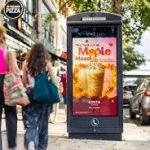
Digital out-of-home advertising, or DOOH, is basically ads on screens that are outside your home. Think of the big, bright screens you see in shopping malls, at bus stops, or in busy city centers. These are not static billboards that show the same ad for weeks.
Instead, they are digital displays that can change ads instantly.
This means an advertiser can show a different ad at different times of the day. They can even show different ads to different people if the technology is smart enough. It’s a dynamic and engaging way to get your message out there.
It’s a far cry from the old paper posters.
The “out-of-home” part means it’s advertising that people see when they are away from their homes. This includes places like streets, public transport, retail stores, and event venues. The “digital” part means the medium is a screen, not a printed poster.
This type of advertising has grown a lot. It’s become very popular because it’s flexible and can be very targeted. Businesses of all sizes can use it to reach local customers effectively.
How Does DOOH Advertising Work?
DOOH advertising works by placing digital screens in high-traffic public locations. These screens are connected to a network that allows advertisers to upload and manage their ad content remotely. This is a big change from traditional billboards.
Advertisers can buy ad space on these screens for specific periods. They can choose the locations that make the most sense for their business. They can also choose the times of day when their target audience is most likely to see the ad.
For example, a coffee shop might want to show ads near transit hubs during morning commute hours.
The content itself is digital. This means it can be video, animated graphics, or still images. It can be updated quickly if there’s a sale or a new product.
This flexibility is a huge advantage for businesses. It allows them to be more responsive to market changes.
Many DOOH networks use data to help advertisers. This data can show how many people see the ads. It can also show the demographics of those people.
This helps advertisers understand if they are reaching the right audience. It makes the ad spend more effective.
The technology behind DOOH is always improving. We now see screens that can react to the environment or even the audience. This makes the ads more interactive and memorable.
It’s a powerful way to grab attention.
My First Encounter with DOOH Near Me
I remember a few years ago, I was helping a local bakery launch a new line of pastries. They were a small business with a tight budget. We needed to make a splash without spending a fortune.
Traditional advertising felt too expensive and too broad.
Then, I noticed these sleek digital screens at the local farmer’s market and a few bus shelters downtown. They were showing vibrant images of food, not just static pictures. I thought, “This could be perfect for us!” The bakery was located just a few blocks from the market.
We worked with a DOOH provider. They had screens right where our customers already were. We created a short, catchy video showing the delicious pastries being made.
The screen was right outside the market entrance. People coming and going saw our ads. It was thrilling to see it come to life.
On the first day, we saw a noticeable bump in foot traffic. People mentioned seeing the ad. They’d point to the screen and say, “That looked amazing!” It felt like a direct connection.
We weren’t just shouting into the void. We were talking to people right there.
That experience showed me the real power of local DOOH. It’s about meeting people where they are, in their daily lives. It felt very personal, even though it was a public display.
It was a game-changer for the bakery.
Where You’ll Find DOOH Screens
DOOH screens are everywhere you look when you’re out. They are placed strategically to catch your eye.
- Shopping Centers: Near entrances, in food courts, and along walkways.
- Transit Hubs: At bus shelters, train stations, and subway platforms.
- Street Furniture: Digital kiosks and bus stop shelters.
- Airports and Train Stations: High-traffic areas for travelers.
- Gyms and Health Clubs: On walls or screens in common areas.
- Restaurants and Cafes: Digital menu boards or screens in waiting areas.
- Office Building Lobbies: For people commuting or visiting.
- Entertainment Venues: Near movie theaters or stadiums.
Understanding the “Near Me” Aspect
When you search for “digital out-of-home advertising near me,” you’re looking for a way to reach people in your immediate geographic area. This is the core strength of DOOH. It’s hyper-local.
Unlike national TV ads or broad social media campaigns, DOOH allows you to pinpoint your audience. You can choose screens in specific neighborhoods. You can target areas where your ideal customers live, work, or shop.
This “near me” search shows you want local impact. You want to drive foot traffic to your store. You want to increase brand awareness among people who can easily visit you.
DOOH is perfect for this.
The effectiveness comes from proximity. Someone sees an ad for a local pizza place while walking by. They are hungry.
They can go there right now. This immediate connection is very powerful.
Many DOOH platforms offer tools to help you find these local opportunities. They have databases of screens available in different cities and towns. They can guide you to the best spots for your business.
Think about it this way: if you own a car repair shop, you don’t need to advertise in a town 50 miles away. You need to reach people in your neighborhood. DOOH lets you do exactly that.
It makes your advertising budget work harder.
Quick Scan: DOOH Benefits for Local Businesses
| Benefit | Why It Matters Locally |
|---|---|
| Targeted Reach | Connects with people in your neighborhood who can become customers. |
| High Visibility | Screens in busy places grab attention. |
| Flexibility | Change ads quickly for sales or events. |
| Measurable Impact | Track results to see what works best. |
Finding Digital Out-of-Home Advertising Near You
Finding DOOH advertising opportunities nearby involves a few steps. The first step is understanding where your potential customers spend their time. This will guide where you should look for screens.
You can start by looking at local DOOH advertising companies or media owners. Many of these companies have websites where they list their available locations. They often have maps showing exactly where their screens are placed.
Search online for terms like “DOOH advertising ” or “digital billboards .” You might also search for “advertising screens near me.” This will bring up local providers.
When you find a provider, look at their inventory. Do they have screens in places relevant to your business? For a restaurant, this might be near entertainment districts or busy shopping streets.
For a service business, it might be near residential areas or community hubs.
You can also visit these locations yourself. Walk around the areas where you want to advertise. Look for digital screens.
Note the location and any branding on the screen. This is your on-the-ground research.
Once you identify potential locations, reach out to the advertising company. They will have sales representatives who can guide you through the process. They will discuss pricing, ad formats, and booking options.
It’s important to ask questions. What is the audience like for that specific screen? How many people see it each day?
Can you see examples of other businesses that have advertised there?
Some platforms allow you to buy DOOH ad space through online marketplaces. These can sometimes simplify the process, especially for smaller campaigns. You can browse available spots and book them directly.
Types of DOOH Locations
The variety of DOOH locations means you can find the perfect spot for almost any business. Each type of location attracts a different audience and offers unique advantages.
Retail Locations: Screens inside shopping malls or outside storefronts are great for businesses selling products or services. They catch people when they are in a shopping mindset. Think about ads for clothing stores, electronics, or specialty shops.
Transit Locations: Bus shelters, train stations, and subway platforms are high-traffic areas. People waiting are often looking for something to do. They are a captive audience.
This is ideal for businesses offering quick services, food, or entertainment.
Street Furniture: These are digital screens integrated into bus stops, benches, or informational kiosks. They are part of the urban landscape. They offer consistent visibility throughout the day.
They can target people walking or driving.
Entertainment Venues: Digital screens in movie theaters, stadiums, or concert halls reach specific demographics. If your business aligns with entertainment, this is a powerful option. Imagine a restaurant advertising before a show.
Corporate and Business Districts: Lobbies of office buildings or screens in business parks can reach professionals. This is useful for B2B services, financial institutions, or high-end retail.
Health and Fitness Centers: Gyms and health clubs attract people focused on well-being. This is a good fit for health-related products, services, or healthy food options.
Understanding these different environments helps you choose the best location to match your target customer. It’s about aligning your ad with where your audience is already spending time.
Consider This: Myth vs. Reality
| Myth | Reality |
|---|---|
| DOOH is only for big national brands. | Many DOOH networks offer flexible packages for small and local businesses. You can buy ad space by the week or even by the day. |
| It’s hard to measure the results. | DOOH technology is advanced. Many networks provide audience data and impression counts. You can also track direct results like store visits or website clicks from specific campaigns. |
| Digital screens are too expensive. | Costs vary widely by location and screen type. Often, the cost per impression can be very competitive, especially for local targeting. |
How to Choose the Right DOOH Provider
Selecting the right DOOH provider is crucial for a successful campaign. You want a partner who understands your goals and can offer the best solutions.
1. Local Presence: Look for providers with screens in the specific areas you want to reach. A provider with a strong network in your town or city is more likely to have suitable locations.
2. Audience Data: Ask about the audience demographics for their screens. Do they have data on age, gender, interests, or daily traffic counts?
This helps ensure you’re reaching the right people.
3. Ad Options: What types of ads can you run? Can you use video, animation, or just static images?
Flexibility in ad format can make your campaign more engaging.
4. Pricing and Packages: Understand their pricing structure. Are there package deals?
Can you book for short durations? Ensure the pricing fits your budget and offers good value.
5. Technology and Innovation: Some providers offer more advanced features like programmatic buying, audience measurement, or interactive displays. While not always necessary, these can be beneficial.
6. Customer Service: How responsive are they? Do they offer support throughout the campaign?
Good communication is key, especially when you’re new to DOOH.
You might find that one provider has a great network of screens in shopping malls, while another excels in transit shelters. It’s worth contacting a few different companies to compare their offerings.
What This Means For Your Local Business
For your local business, digital out-of-home advertising offers a powerful way to stand out. It’s about connecting with people in your community when they are most receptive.
Increased Brand Awareness: Seeing your logo and message repeatedly in local spots builds recognition. People in your area will start to know who you are.
Driving Foot Traffic: Ads placed near your business can encourage immediate visits. This is especially effective for restaurants, retail stores, and service providers.
Targeted Messaging: You can tailor your message to the specific location or time of day. A coffee shop might show “Morning Boost” ads on weekday mornings near transit. A bar might show “Happy Hour Tonight” ads on Friday afternoons.
Competitive Edge: In a crowded market, DOOH can help you grab attention. It’s a modern, dynamic medium that can make your brand look innovative.
Cost-Effectiveness: When targeted properly, DOOH can offer a strong return on investment. You’re not paying to reach people who can’t become your customers.
It’s about being present in the physical world where your customers live their lives. It complements your online efforts by creating a bridge between the digital and real worlds.
Tips for a Successful Local DOOH Campaign
Making your DOOH ads work hard is all about smart planning and execution. Here are some tips to help you get the most from your local campaigns.
- Know Your Audience: Understand who you are trying to reach. Where do they go? When are they most likely to see your ad?
- Keep It Simple and Clear: DOOH ads are seen for short periods. Your message, logo, and call to action must be instantly understandable. Use large fonts and clear images.
- Strong Visuals: High-quality images or videos are essential. They need to grab attention immediately. Show your product or service in an appealing way.
- Clear Call to Action (CTA): Tell people what you want them to do. “Visit us today,” “Scan this QR code,” or “Call now” are good examples. Make it easy for them to act.
- Location, Location, Location: Choose screens in places where your target audience naturally congregates. Proximity to your business is often a big plus.
- Timing Matters: Schedule your ads to run when they are most relevant. Morning, lunch, or evening times can have different impacts depending on your business.
- Test and Refine: If possible, test different ad creatives or locations. Track your results and make adjustments as needed. What works best might surprise you.
- Integrate with Other Marketing: Ensure your DOOH ads work with your online presence. Mention your digital ads on social media or your website.
Quick Tips Checklist
Before Launching:
- Identify your target customer.
- Map out their daily routes.
- Select locations that match.
For Your Ad Creative:
- Use a single, strong message.
- Include your logo prominently.
- Add a clear call to action.
- Ensure high-resolution visuals.
During the Campaign:
- Monitor performance if data is available.
- Be ready to adjust if needed.
Common Questions About Local DOOH
What’s the difference between DOOH and traditional billboards?
DOOH uses digital screens that can change ads frequently, offering flexibility and dynamic content. Traditional billboards are static printed posters that show the same ad for an extended period. DOOH allows for video, animation, and real-time updates, while traditional billboards are fixed images.
Can small businesses afford DOOH advertising?
Yes, small businesses can afford DOOH. Many DOOH providers offer flexible packages and pricing that can fit smaller budgets. You can often buy ad space for shorter periods, like a week or a month, and target specific locations rather than buying broad coverage.
How do I measure the success of my DOOH campaign?
Success can be measured in several ways. Many DOOH networks provide audience impression data. You can also track direct responses by using unique phone numbers or website URLs in your ads. Observing changes in foot traffic or sales after the campaign runs is another method.
What kind of content works best for DOOH ads?
Content that is visually appealing, simple, and has a clear message works best. Short videos, bright graphics, and clear calls to action are effective. Ads should be easy to understand in just a few seconds as people pass by.
How do I find DOOH screens in my specific town?
You can find DOOH screens by searching online for “digital billboards ” or “DOOH advertising .” You can also look for local media companies or outdoor advertising firms. Visiting popular areas in your town and observing the advertising spaces will also show you available screens.
Can I run different ads on the same screen throughout the day?
Yes, this is one of the major advantages of DOOH. You can program different ads to appear at different times. For example, a breakfast spot could advertise in the morning, and a dinner restaurant could show its ads in the evening on the same screen.
What are the typical contract lengths for DOOH advertising?
Contract lengths for DOOH advertising can vary. They often range from one week to several months, depending on the provider and the campaign goals. Shorter campaigns are available for specific promotions, while longer commitments might offer better rates.
Is DOOH effective for businesses that don’t have a physical store?
Yes, DOOH can still be effective for businesses without a physical store. If you offer a service within a certain geographic area, like a plumber or an online service with local delivery, DOOH can drive website visits, phone calls, or app downloads from people in your service region.
Where should I put my digital ads for maximum local impact?
For maximum local impact, place your digital ads in high-traffic areas frequented by your target audience. This includes shopping districts, transit hubs, busy intersections, and community centers. Consider where your customers live, work, and shop. Proximity to your business is also a key factor.
Final Thoughts on Local DOOH
Digital out-of-home advertising offers a dynamic and effective way to connect with your local community. By understanding where to find these screens and how to create compelling ads, your business can gain visibility. It’s about meeting people where they are, in their everyday lives.
This makes your marketing efforts more relevant and impactful.
